REMOTE-I
Our Story

Clinical Roots.
Technical Boundaries.

Remote-I was not born in a boardroom. It was born in a Radiography control room at 3 AM, during a staffing crisis.

"We realized that while the technology to scan remotely existed, the governance framework to do it safely did not. That is what we built."

Our founders are Senior MRI Radiographers who experienced firsthand the pressure of rota gaps, the inefficiency of agency recruitment, and the frustration of seeing scanners sit idle.

Remote-I hospital dashboard interface

The Operational Reality in Radiology

Radiology departments operate under constant staffing pressure.

Across many hospitals, scanners remain available but trained radiographers are not always present to operate them. Rota gaps, sickness absence, and last-minute staffing changes create operational bottlenecks that are often solved through short-notice agency bookings.

This leads to three recurring challenges:

The challenge is not only workforce numbers — it is coordination. Imaging departments rarely have tools designed specifically to coordinate radiographers across locations, workflows, and operational governance requirements.

What Remote-I Introduces

Remote-I introduces an operational layer designed specifically for radiography workforce coordination.

Instead of relying on fragmented staffing processes, departments gain structured visibility and governance over workforce allocation.

The platform focuses on three operational pillars:

Remote-I does not replace RIS or PACS systems. It sits alongside existing infrastructure and focuses on the operational layer of radiology services.

Why Radiology Needs an Operational Layer

Modern radiology departments rely on highly sophisticated imaging technology, yet the operational coordination around that technology remains fragmented.

While RIS and PACS systems manage imaging data and reporting workflows, they were never designed to manage the operational reality of radiography staffing.

Hospitals today coordinate radiographers through spreadsheets, rota systems, agency calls, and internal messaging — tools not built for modern imaging services.

Remote-I introduces a dedicated operational layer that focuses on workforce coordination, workflow visibility, and governance for hybrid radiography models.

The Mission

We believe that geography should not dictate a patient's access to diagnostic imaging. By decoupling the radiographer from the scanner, we unlock a global workforce.

Safety First

If the connection isn't stable enough for clinical safety, we don't scan. Period.

Respect

We verify and value our radiographers. We are not a gig-economy app; we are a professional network.

Transparency

No hidden agency fees. Hospitals see exactly where their budget goes.

Founder Perspective

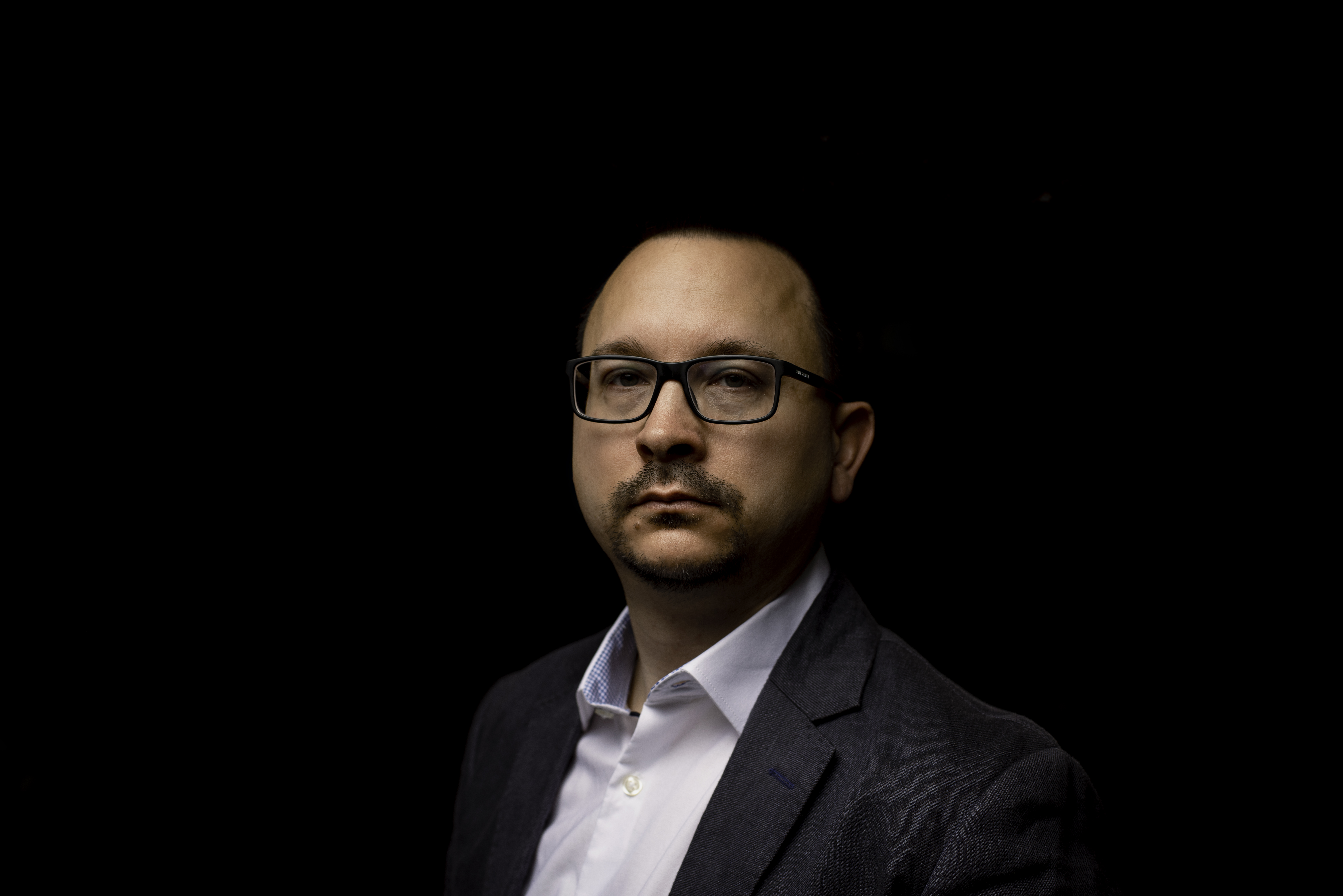
Remote-I was founded by Laszlo Bus, a radiographer who has worked across multiple hospitals in the UK as a locum MRI radiographer.

In day-to-day practice, staffing shortages are not theoretical problems — they are part of routine clinical life. Scanners sit idle, rotas break down, and departments rely heavily on expensive last-minute staffing solutions.

At the same time, the technology to operate scanners remotely already exists. What has been missing is the governance, coordination, and operational infrastructure required to use that capability safely.

Remote-I was created to solve that gap — providing hospitals with a structured platform to coordinate radiographers, manage remote scanning workflows, and maintain full operational visibility.

Laszlo Bus, founder of Remote-I