Remote-I was not born in a boardroom. It was born in a radiography control room at 3 AM, during a staffing crisis that should never have happened.
"We realised that while the technology to scan remotely existed, the governance framework to do it safely did not. That is what we built."
Our founders are senior MRI radiographers who experienced firsthand the pressure of rota gaps, the inefficiency of agency recruitment, and the frustration of seeing scanners sit idle while patients waited.
Radiology departments operate under constant staffing pressure. Across many hospitals, scanners remain available but trained radiographers are not always present to operate them.
Rota gaps, sickness absence, and last-minute staffing changes create operational bottlenecks that are typically solved through expensive short-notice agency bookings.
The NHS spent £325 million on temporary radiology staff in 2024. Agency-dependent staffing is reactive, expensive, ungoverned, and unsustainable at scale.
Imaging departments coordinate radiographers through spreadsheets, phone calls, and agency portals — tools not built for modern, governed clinical operations.
Instead of relying on fragmented staffing processes, departments gain structured visibility and governance over workforce allocation — alongside a managed remote radiographer service that works with existing infrastructure.
Hospitals manage radiographer availability and shift allocation across sites. Modality-aligned radiographers matched to service scope — not ad hoc agency calls.
Operational workflows are structured and auditable. SOP gating, audit trails, and clinical accountability built into every session. CQC-ready evidence outputs as standard.
Coordination of radiographers across locations where remote operation is feasible. Remote-I sits alongside existing RIS and PACS — no rip-and-replace required.
By decoupling the radiographer from the scanner, we unlock a global qualified workforce — making scanning capacity available where it is needed, not just where radiographers happen to live.
These are not values we display on a wall. They are operational constraints that shape every decision we make.
If the connection is not stable enough for clinical safety, we do not scan. No exceptions, no commercial pressure that changes this. Patient safety is the floor, not a trade-off.
We verify and value every radiographer in our network. Remote-I is not a gig-economy platform — it is a professional network with governance, session accountability, and career structure.
No hidden fees. No opaque agency markups. Hospitals see exactly where their budget goes, with a full audit trail of every session, radiographer, and governance decision.
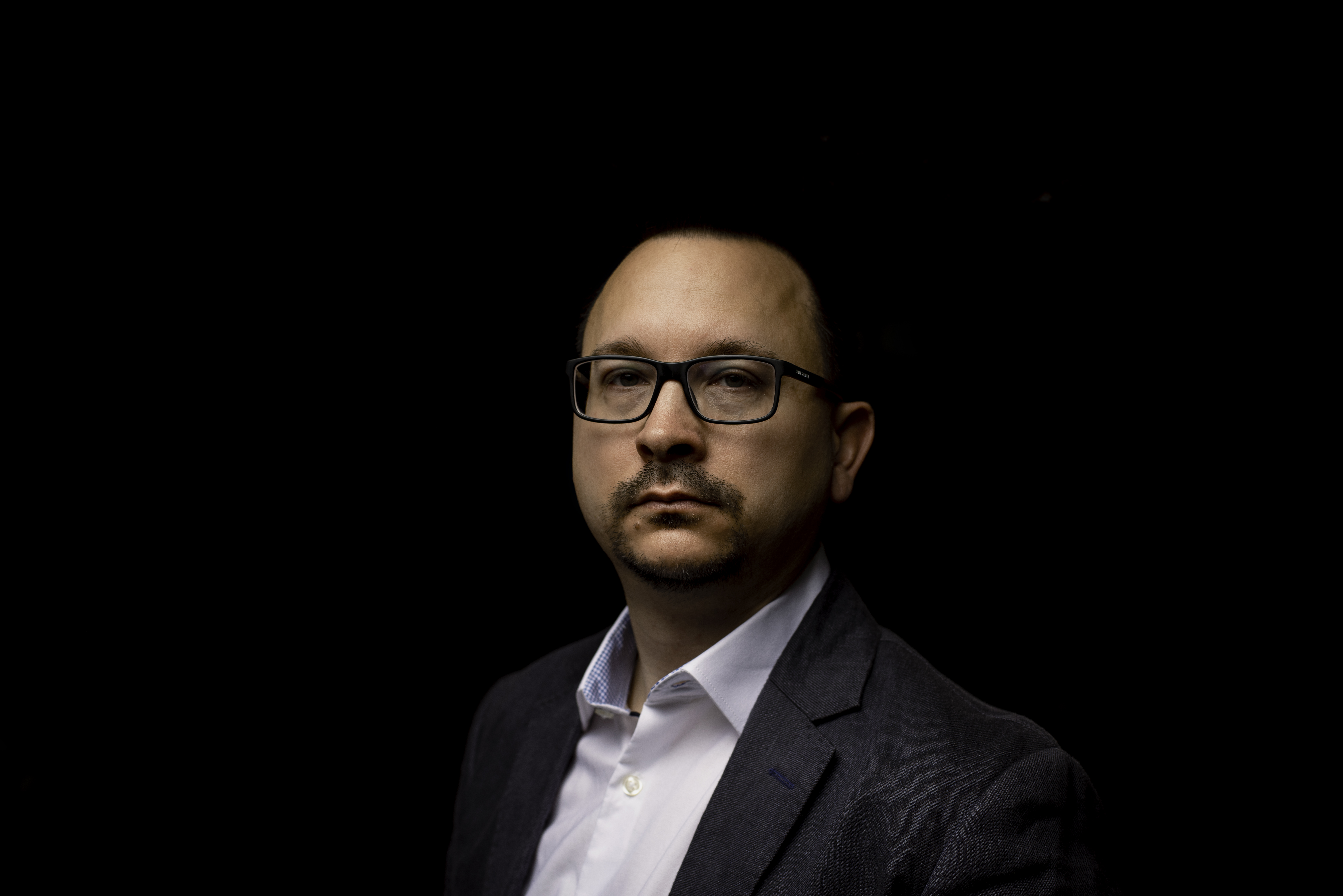
Remote-I was founded by Laszlo Bus, a radiographer who has worked across multiple NHS hospitals as a locum MRI radiographer.
In day-to-day practice, staffing shortages are not theoretical problems — they are part of routine clinical life. Scanners sit idle, rotas break down, and departments rely heavily on expensive last-minute staffing solutions that carry no governance layer and no audit trail.
At the same time, the technology to operate scanners remotely already exists. What has been missing is the governance, coordination, and operational infrastructure required to use that capability safely and accountably.
Remote-I was created to close that gap — providing hospitals with a structured managed service to coordinate radiographers, run remote scanning sessions, and maintain full operational and clinical visibility from day one.
Start with a service review to assess where Remote-I can add governed scanning capacity within your current environment.